Concrete driveways are known for their durability, strength, and long lifespan. However, like any exterior surface exposed to weather and daily use, they can develop various problems over time. One of the most noticeable issues homeowners face is surface deterioration, especially when driveway spalling is a problem that causes the concrete surface to chip, flake, or peel. Understanding the causes behind this issue and learning how to address it can help homeowners maintain their driveways effectively. Many experts explain the causes and solutions in detail, which highlights why this problem occurs and how it can be repaired.
While spalling is a common concern, it is not the only issue that can affect concrete driveways. Recognizing early warning signs and taking preventive steps can help extend the lifespan of the driveway and maintain its appearance.
Cracking in Concrete Driveways
Cracks are among the most common problems in concrete driveways. These cracks can appear for several reasons, including natural settling of the soil, temperature changes, and heavy vehicle loads.
Small hairline cracks may not seem serious at first, but if they are left untreated, they can expand over time and allow water to penetrate beneath the surface. This can weaken the base and cause larger structural problems.
To fix minor cracks, homeowners can use concrete crack fillers or sealants designed specifically for outdoor surfaces. These products help prevent water from entering the cracks and slow further deterioration.
For larger cracks or structural damage, professional repair services may be necessary to restore the driveway’s strength.
Surface Spalling and Flaking
Spalling occurs when the top layer of concrete begins to break apart, creating rough patches and visible flakes on the surface. This issue often develops due to freeze-thaw cycles, improper concrete finishing, or exposure to deicing chemicals.
When water seeps into the concrete surface and freezes, it expands and pushes the top layer outward. Over time, this repeated expansion weakens the surface and causes it to break apart.
Repairing spalling usually involves cleaning the damaged area and applying a resurfacing compound. This treatment creates a new protective layer that restores the driveway’s appearance and durability.
Regular sealing of the concrete surface can also help prevent moisture from penetrating the material.
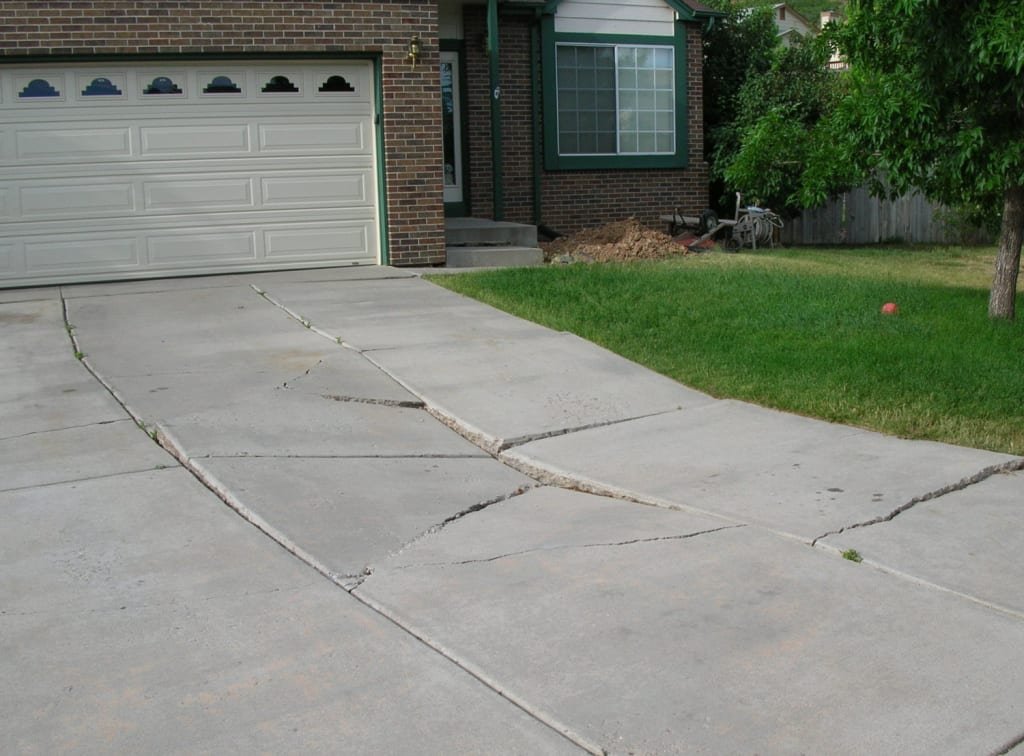
Uneven Surfaces and Settling
Driveways may also develop uneven areas due to soil movement beneath the concrete slab. When the base material shifts or erodes, sections of the driveway can sink or tilt.
Uneven surfaces are not only unattractive but can also pose safety hazards for pedestrians and vehicles. Water may also collect in low areas, which can accelerate further damage.
To address this issue, contractors often use techniques such as slab leveling or mudjacking. These methods involve injecting materials beneath the slab to raise it back to its original position.
Preventing soil erosion and maintaining proper drainage around the driveway can help reduce the risk of future settling.
Stains and Discoloration
Another common problem homeowners face is staining or discoloration of the concrete surface. Oil leaks, tire marks, rust, and chemical spills can all leave visible stains on driveways.
Although stains may not affect structural integrity, they can significantly reduce the overall appearance of the driveway. Fortunately, many stains can be removed using specialized concrete cleaners or degreasers.
Pressure washing is another effective method for restoring the surface. In some cases, applying a protective sealant after cleaning can help prevent future staining.
Drainage Issues
Poor drainage can cause serious damage to concrete driveways. When water accumulates on the surface or beneath the slab, it can weaken the concrete and lead to cracking or spalling.
Proper driveway design includes a slight slope that directs water away from the surface. This helps prevent standing water and protects the concrete from excessive moisture.
If drainage problems develop, homeowners may need to adjust landscaping, install drainage channels, or repair surrounding surfaces to redirect water flow.
Addressing drainage issues early can significantly extend the life of a driveway.
Damage from Heavy Loads
Concrete driveways are designed to handle normal vehicle traffic, but excessive weight from heavy trucks, construction equipment, or large recreational vehicles can cause damage.
Repeated heavy loads may lead to cracks, surface wear, or structural weakening. Over time, this can compromise the durability of the driveway.
To prevent this problem, homeowners should avoid parking unusually heavy vehicles on residential driveways whenever possible. Reinforced concrete may also be used in areas where heavy loads are expected.
Weather-Related Damage
Weather conditions play a major role in the condition of concrete driveways. Extreme heat can cause the concrete to expand, while cold temperatures cause it to contract.
These repeated expansion and contraction cycles can lead to small cracks and surface deterioration. In colder climates, freeze-thaw cycles are particularly damaging because water trapped inside the concrete expands when it freezes.
Applying a high-quality sealant can help protect the concrete from moisture penetration and temperature-related damage.
Preventive Maintenance Tips
Regular maintenance is essential for keeping a concrete driveway in good condition. Simple steps can make a significant difference in preventing common problems.
Some helpful maintenance practices include:
- Cleaning the driveway regularly to remove dirt and chemicals
- Sealing the surface every few years to protect against moisture
- Repairing small cracks before they expand
- Avoiding the use of harsh deicing chemicals
- Ensuring proper drainage around the driveway
By following these practices, homeowners can protect their investment and maintain a clean, durable driveway surface.
When to Seek Professional Help
While some minor repairs can be handled by homeowners, certain issues require professional expertise. Large cracks, extensive spalling, and major settling problems often need specialized equipment and materials to repair properly.
Professional contractors can evaluate the condition of the driveway and recommend the most effective solution. In some cases, resurfacing or partial replacement may be necessary to restore the structure.
Seeking professional assistance early can prevent small issues from developing into costly repairs.
Conclusion
Concrete driveways are built to last, but they can still develop problems over time due to weather exposure, heavy use, and natural wear. Issues such as cracking, spalling, uneven surfaces, and drainage problems are common but manageable when addressed early.
By understanding the causes of these problems and taking preventive maintenance steps, homeowners can extend the life of their driveways and maintain their property’s appearance. Regular inspections, timely repairs, and proper care ensure that a concrete driveway remains strong, functional, and visually appealing for many years.

